


The rise of Christianophobia, and what we can do about it

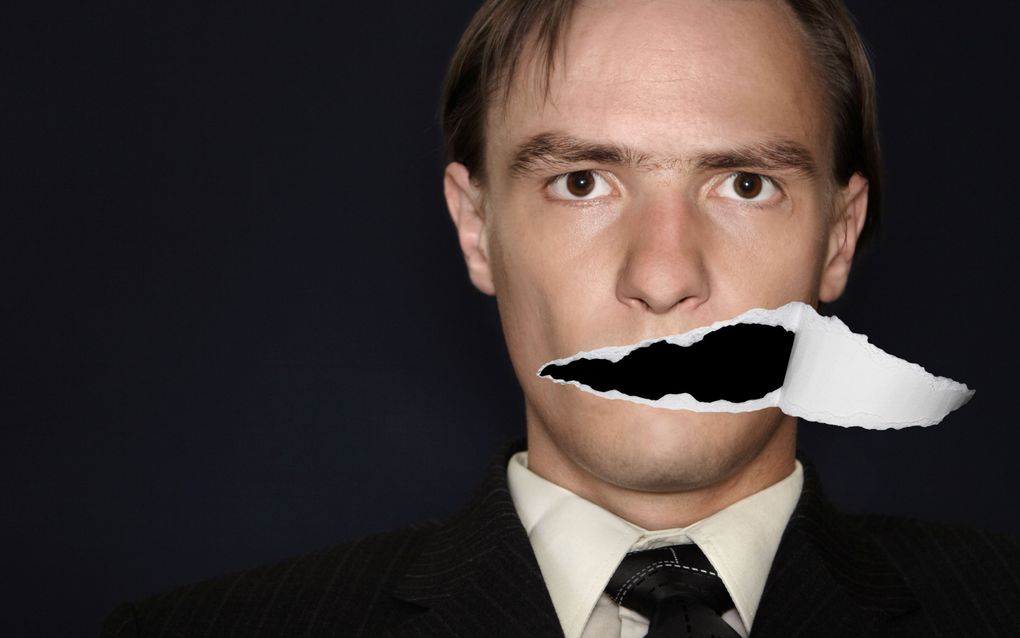
In recent years, EU authorities and the courts have silenced European Christians when it comes to their Christian convictions. Photo iStock, AZemdega
European Union
Three years ago, little did Matthew Grech know that his story would unfold into a years-long court case.
Three years ago, little did Matthew Grech know that his story would unfold into a years-long court case.
Matthew’s story would also set a precedent in the realm of free speech violations. Going public with one’s personal journey would be possible and punishable under national law. In this case, Malta’s conversion therapy ban. In 2016, Malta became the first EU nation to outlaw “conversion therapy," but discussions about the term’s definitions and its exact conditions are still under debate.
Grech decided it was time to share his testimony, from embracing a gay lifestyle to becoming a born-again Christian. After his story appeared on PMnews Malta, some complained. The EU Commissioner for Equality, Silvan Agius, and two other activists working for the LGBTI lobby were among those who wanted to charge him with “advertising conversion practices," according to Christian Concern.
Grech soon found himself with a police report and a prosecution for violating Malta’s Affirmation of Sexual Orientation, Gender, and Gender Expression Act.
Even earlier, when Matthew shared his story as a contestant on Malta’s X Factor, Agius found it "problematic." Yet, Grech defended that his story was merely about sharing his faith journey and not about “offering or promoting therapy." The authorities who threatened legal action also identified another offence. Grech represented the International Foundation for Therapeutic and Counselling Choice (IFTCC). Despite the accusations and the threat of jail time, authorities later dropped his charges, Christian Concern noted.
Grech is not the only one to face legal trouble for expressing personal beliefs. UK pastor Dia Moodley would often talk to people about his Christian convictions in his local city square. During his street preaching, he was arrested twice for opposing views on transgender ideology and sharing the differences between Christianity and Islam.
Moodley was first arrested in 2024, when he was told to destroy his street preaching signs. He was also ordered to not comment on any religion besides his own while preaching, according to an ADF press release. However, the Avon and Somerset police later lifted these restrictions following intervention from ADF International.
His latest arrest in November 2025 surrounds a couple’s complaint regarding his views on transgender ideology. After a woman complained to the police, they arrested him and used the nation’s Public Order Act 1986 to arrest him for “inciting religious hatred” and committing a “religiously aggravated offence”. Views relating to the pastor and his congregation were never considered; only the bystanders’ complaints were. The authorities also kept him in a cell for eight hours, where he was deprived of care related to his chronic heart problems, according to the ADF press release.
And yet, there are even more similar examples that point to a disturbing trend called "Christianophobia," which refers to the fear or hatred of Christians and their beliefs. The Observatory on Intolerance and Discrimination Against Christians (OIDAC) reported that a Finnish Christian couple was convicted of “assault” and causing “psychological harm” after praying for a young man who struggled with his sexuality. Despite the man initially seeking help, he later reported the couple to authorities, and the court ruled in his favour.
In Spain, the Ministry of Equality decided to conduct an investigation into seven Catholic dioceses. The dioceses were investigated for breaching the 2023 Trans Equality Law in their administration of pastoral care.
Anja Tang, Director of the Observatory on Intolerance and Discrimination Against Christians in Europe (OIDAC), can confirm that she has seen an ongoing trend toward criminalising Christians for merely sharing their personal convictions and providing pastoral care.
As in the case of Spain, she points out, the nation’s Trans Equality Law contains vague and imprecise wording, Tang says. The law criminalises any actions “aimed at modifying the sexual orientation, gender identity, or expression of individuals, even with their consent.”
Yet, many questions remain as to what that even means. Expressions like “suppression of sexual expression” are not helpful in criminal law, as they lead to more questions than answers. “These provisions create legal uncertainty as to which conversations—or even prayers—might be considered criminal,” she says.
Amid the lack of clarity in our current laws, what can Christians do in an age when sharing beliefs might land you in legal trouble? Tang stresses that it is important not to back away from our Christian convictions.
While it might take more courage to share one’s convictions, she says, it is even more important to continue speaking up despite ongoing opposition. At the same time, it is important to support a culture of dialogue that tolerates disagreement, she says.
Tang also advises that it is important for government and law enforcement to become more aware of religious freedom rights, which also have to be safeguarded here in Europe. Furthermore, becoming knowledgeable or literate about our own rights as Christians and knowing precisely what that entails is essential, she also notes.