


Teens and 20-somethings seek euthanasia for psychiatric suffering

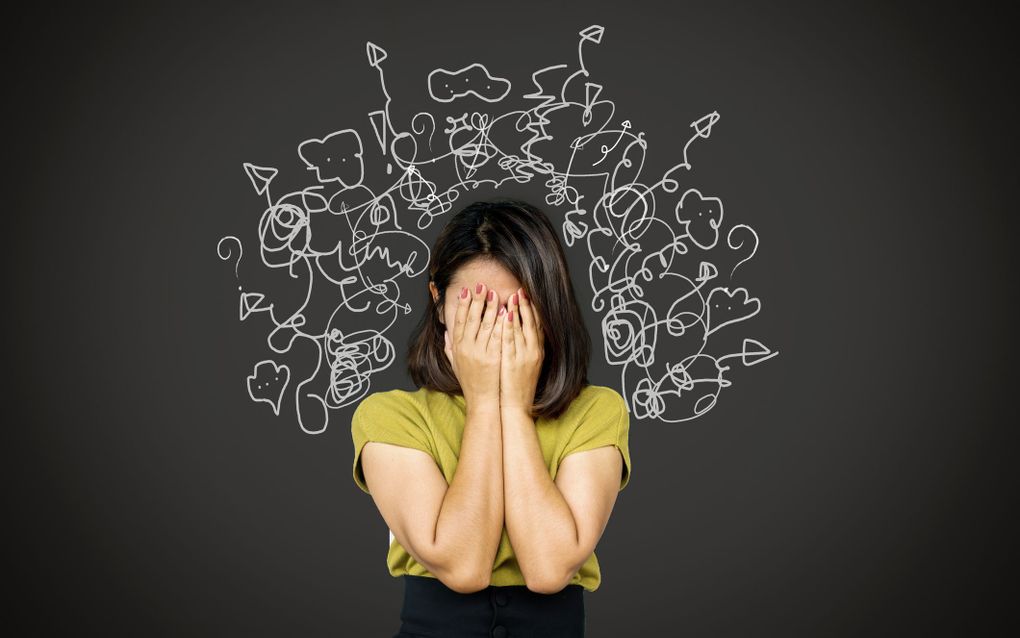
Photo iStock, Doucefleur
European Union
At 29, Zoraya ter Beek from the Netherlands wanted to end her life.
The multiple mental health conditions that stemmed from her childhood years were too much to bear, she explained to The Guardian. After countless mental health treatments including more than 30 sessions of electroconvulsive therapy (ECT), she decided it was time to end it all after she and her medical team concluded that there was “no hope for improvement.”
After approval, her medical team visited her home to administer the drugs that would lead to her final breaths. Ter Beek died in 2024, but she stands among several other young people who have applied for assisted dying because of “psychiatric suffering.”
In Zoraya’s country, The Netherlands, assisted dying or euthanasia is permitted for those with a “psychiatric disorder” where there is “no prospect for improvement,” its government says. Although rigorous assessment is required in these cases, the patient does not need to have a terminal illness to apply.
Getting younger
It is also the case in the Netherlands that euthanasia based on a psychiatric disorder are also permitted for those starting at 12 years old. However, parental consent is required for those under 15. Starting from 16 years old, parents and/or legal guardians have to be “consulted” but their consent is not required.
In Belgium, the regulations are similar where psychiatric conditions can qualify, its public health website says. However, stricter measures apply when death is not imminent. Luxembourg also permits euthanasia and assisted suicide for “mental suffering”, but an “incurable medical condition” must accompany it, according to its government website.
Spain also allows assisted dying which can include mental health conditions, but the condition must be chronic and incurable. The patient must also be free from any outside pressure.
Take for example Noeila Castillo who at 25 received assisted dying because of “chronic and irreversible pain” after a suicide attempt that left her with paraplegia.
Although she was not euthanised because of her mental health conditions, she had previously suffered from obsessive compulsive disorder (OCD), borderline personality disorder (BPD) and was a survivor of at least three sexual assault attempts. Both her father and the Christian Lawyers association questioned her mental capacity and had actively appealed against her request to die, according to the BBC.
Outside of Europe, several actors have pushed to get psychiatric conditions included within Canada’s Medical Assistance in Dying (MAiD), but the government now wants to see mental health conditions as a sole qualifying factor excluded indefinitely.
Yet, with each passing year, the applicants are getting younger, along with increasing questions on whether all possible options had been adequately explored. Take for example 17-year-old Milou Verhoof who applied for euthanasia on the basis for “severe hopelessness and psychological suffering.” She became the first minor in the Netherlands to receive euthanasia because of “severe psychological problems.”
A psychiatrist who was not one of her regular doctors, reviewed her request four months before her death and concluded that her case was “without prospect for improvement” and that she had met all the requirements for euthanasia.
Although the Dutch Regional Euthanasia Review Committee said that her case was in line with all necessary requirements, an independent psychiatrist concluded that there were still treatment options that could have been explored, according to reporting from Een Vaandaag.
Another report by NL Times says that a group of 14 psychiatrists issued a letter calling for an investigation into her parents and healthcare providers. That has since triggered legal action by her parents after they received threats both online and at their home.
Going deeper
While euthanasia on the basis of psychiatric suffering is still in its infancy, the deeper implications behind such requests are not new.
According to Hannah Beijeman from the Dutch pro-life organisation, NPV-zorg voor het leven (Care for Life), the rise in euthanasia requests involving mental health conditions can be a barometer of a society’s deeper issues, she believes. These include a societal erosion in human dignity.
As Christians, we believe that human dignity comes from God and the Bible. However, if that gets taken away, then respect for one another is lost, she says.
While NPV does not deal with euthanasia requests yet, they have recently encountered centres (like hospices) contacting them about how a Christian could deal with people who are following Bewust Stoppen met Eten en Drinken or VSED (voluntarily stopping eating and drinking).
This is exactly what happened in the case of Dutch teenager Noa Pothoven. Pothoven stopped eating and drinking at 17 to end her life after concluding that there was no one else to help her. She was eventually put on a feeding tube, and many media outlets had later misattributed her situation as an active euthanasia case. However, toward the end, doctors granted her death wish by stopping her feeding tube and providing palliative sedation, according to the BBC.
Similar to Pothoven, Beijeman says that sadly young people see VSED as an option when their euthanasia request is denied.
Loss of hope
When there is a loss of human dignity, living life with hope and purpose also suffers, she explains.
It is also the case that as youth are spending more hours on social media, they often allow their lives to be lived for them. In the past, parents lived with the hope that their children could achieve a better life than they were able to provide. But now, with a growing cost-of-living crisis, a turn to birth control, and the lack of a greater purpose, it can seem that there is nothing to live for or to contribute to succeeding generations, she adds.
Other larger narratives such as influencers and pundits talking about war and climate change leave followers with a sense of doom, she says.
“Many are genuinely convinced that there is no path for them.”
Given that euthanasia in cases of unbearable mental suffering is on the rise, is there anything that can reverse the trend? Beijeman says that besides addressing deeper societal issues, more research and funding should be dedicated toward holistic therapies and treatments that go beyond what public mental health provides.
For example, many are quick to turn to artificial reproductive technologies (ART) such as IVF when infertility occurs. But what about finding methods to improve fertility function? Or education on female fertility and a woman's peak fertile years? The same holistic approach can also be applied to mental health, she says.
“Generally, the issue is not a shortage of government income, but rather how those funds are allocated, which could be significantly improved.”
Even if it seems that young people have exhausted the regular options for help, it does not mean that they are “untreatable”, she emphasises.
But what can work? Beijeman offers a starting point for both young and old: “How do I want to live my life?” “What is my purpose?”
“If you don’t live life consciously, it will be lived for you,” she says. “Ultimately, the true and highest purpose is found in living for Christ.”


